




What Neuroinclusive Workplaces Actually Do Differ
“From Awareness to Action: What Neuroinclusive Workplaces Actually Do Differently”
Focus: Success Enablers™ framework structure, predictability, flexibility, feedback psychological safety inclusive leadership practical workplace examples why inclusion improves retention and performance CTA: Promote corporate training, consultancy, and workplace wellbeing supports.
From Awareness to Action: What Neuroinclusive Workplaces Actually Do Differently
Over the last number of years, conversations around neurodiversity in the workplace have increased significantly.
Many organisations now want to be more inclusive. Many are investing in wellbeing initiatives, awareness sessions, and diversity strategies.
And while awareness is important, awareness alone does not necessarily change people’s day-to-day experiences at work.
The real question is:
What does meaningful neuroinclusion actually look like in practice?
Inclusion Is Experienced Daily
For neurodivergent employees, workplace culture is not shaped by posters, awareness days, or policies alone.
It is shaped by everyday experiences:
how safe it feels to ask for support
whether communication feels clear or confusing
how managers respond to mistakes or overwhelm
whether flexibility is available without shame
how meetings are structured
whether workloads feel sustainable
how feedback is delivered
whether authenticity feels safe
Small daily experiences often have the biggest impact on whether someone feels able to thrive or whether they move into stress, masking, and burnout.
Neuroinclusive Workplaces Reduce Unnecessary Barriers
Many workplace difficulties experienced by neurodivergent employees are not caused by capability.
They are often caused by environments that create unnecessary barriers.
For example:
unclear expectations
inconsistent communication
constant unpredictability
excessive sensory stimulation
rigid processes
lack of autonomy
unclear priorities
unrealistic workloads
fear-based cultures
When organisations reduce these barriers, people are often better able to perform, engage, and contribute sustainably.
Inclusion Is Not About Lowering Standards
One of the biggest misconceptions around workplace inclusion is the belief that accommodations reduce standards or create unfair advantages.
In reality, effective inclusion is often about removing obstacles that prevent people from working at their best.
Clarity, flexibility, structure, predictability, and psychological safety benefit most employees, not only neurodivergent employees.
Inclusive workplaces are not about lowering expectations.
They are about creating environments where people can realistically meet them.
The Success Enablers™ Framework
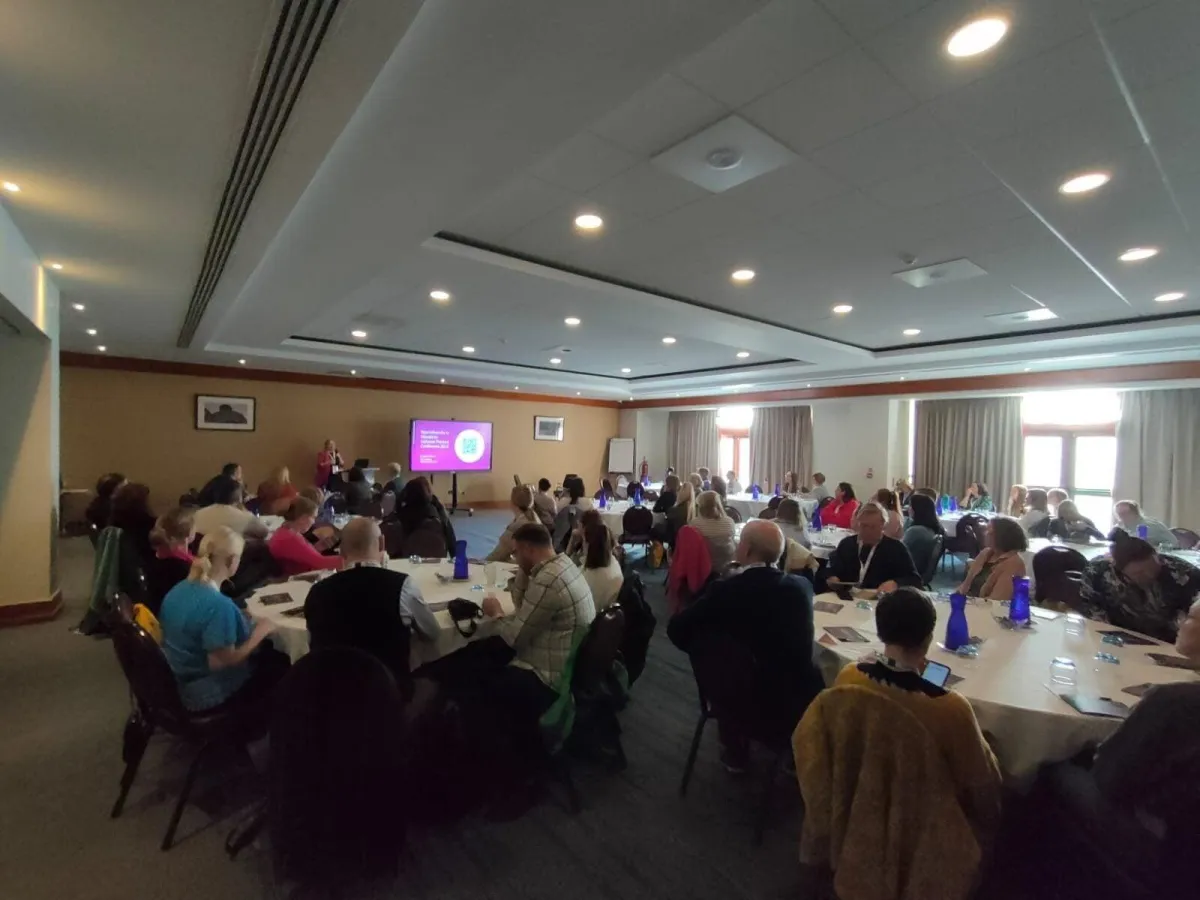
At the Neurodiversity Summit 2026: The Future of Work, Jeanette Delahunty introduced the Success Enablers™ framework to help organisations better understand the practical foundations of neuroinclusive workplaces.
The framework focuses on four key areas:
Structure
Predictability
Flexibility
Feedback
These areas influence how safe, manageable, and sustainable a workplace feels for many neurodivergent employees.
For example:
clear expectations reduce anxiety and uncertainty
predictable processes reduce cognitive load
flexibility supports different working styles and energy levels
constructive feedback improves clarity and confidence
Importantly, these supports are often low-cost but high-impact.
Psychological Safety Matters
One of the strongest predictors of inclusion is psychological safety.
If employees fear judgement, embarrassment, punishment, or negative career impact, they are far less likely to:
disclose needs
ask for support
communicate difficulties
contribute ideas
take appropriate breaks
advocate for themselves
This can lead many people to mask heavily, pushing themselves beyond sustainable limits simply to appear as though they are coping.
Over time, this often contributes to burnout, disengagement, absenteeism, and turnover.
Moving Beyond Performative Inclusion
Most organisations do not intentionally exclude people.
However, meaningful inclusion requires organisations to move beyond performative gestures and begin examining how workplace systems, expectations, and cultures impact real people on a daily basis.
Neuroinclusive workplaces are not created through one awareness session.
They are built through ongoing reflection, leadership, communication, flexibility, and willingness to adapt.
The Future of Work Is Inclusive
As conversations around accessibility, wellbeing, and neurodiversity continue to grow, organisations are increasingly recognising that inclusion is not separate from performance.
It supports it.
The workplaces that will thrive moving forward are those willing to create environments where people feel psychologically safe, valued, understood, and supported to work in ways that are sustainable for them.
Because inclusion is not simply about getting people through the door.
It is about creating environments where they can genuinely succeed once they are there.