


Understanding PDA: Moving Beyond Behaviour to Build Connection and Understanding
Three workshops, one important message: Understanding the need behind behaviour can change how we support children and young people.
September and October have been busy months at TSK Academy, with three workshops dedicated to understanding Pathological Demand Avoidance (PDA), also referred to as a Persistent Drive for Autonomy.
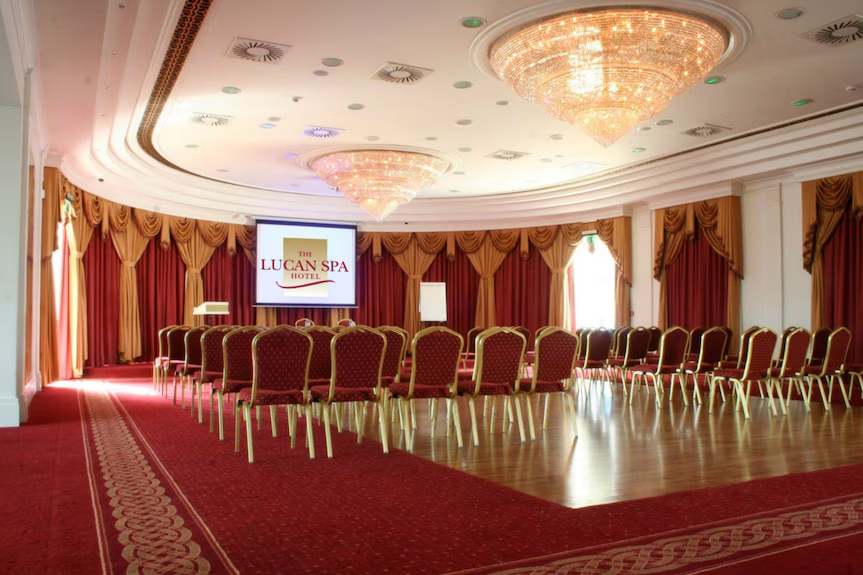
We delivered two online *Understanding PDA workshops on 22 September and 14 October 2026, alongside an in-person workshop for St Kieran's Childcare on 12 October 2026.
These sessions provided opportunities to explore PDA through a neuro-affirmative, compassionate, and practical lens, challenging traditional approaches to behaviour and considering what meaningful support looks like.
Looking Beyond What We See
One of the most important messages throughout our workshops was that behaviour is communication, but we need to understand what is being communicated.
For children and young people with a PDA profile, everyday expectations and demands can trigger significant anxiety, distress, or a perceived loss of autonomy.
What might appear to be refusal, defiance or deliberate non-compliance may be a response to feeling overwhelmed, unsafe, or lacking control.
This is why traditional behaviour management approaches, particularly those relying on rewards, consequences or increasing demands, may not always achieve the intended outcomes.
Instead, we explored how flexibility, collaboration, trust and reducing unnecessary demands can support emotional regulation and engagement.
From Understanding to Practical Strategies
Across the three workshops, the focus was not simply on understanding PDA but on translating that understanding into everyday practice.
We explored:
- Recognising demand avoidance and the possible needs beneath it.
- Understanding the relationship between anxiety, autonomy, and emotional regulation.
- Identifying hidden demands within everyday routines and interactions.
- Using collaborative communication rather than compliance-focused approaches.
- Creating predictable yet flexible environments.
- Supporting children while protecting their dignity, autonomy, and sense of belonging.
A key message was that supporting a child does not mean removing every expectation. It means considering how expectations are communicated, experienced and supported.
Bringing PDA Understanding into Childcare Settings
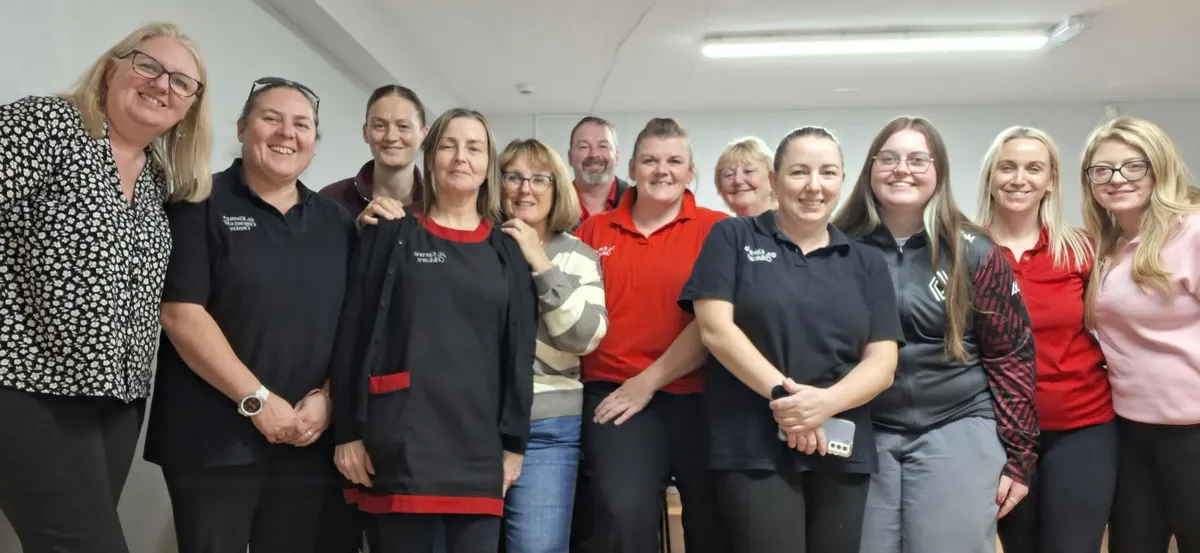
Our in-person workshop with St Kieran's Childcare on 12 October offered an opportunity to consider PDA within the context of early learning and childcare environments.
Educators regularly balance routines, transitions, group expectations and the individual needs of children.
For a child with a PDA profile, simple requests such as putting on a coat, joining an activity, or transitioning between spaces can create significant distress.
By recognising the potential demands within these everyday interactions, educators can begin to consider alternative approaches that promote connection, choice, and emotional safety.
The goal is not to gain compliance at any cost, but to create environments where children feel understood, respected, and supported.
Changing the Question Changes the Response
At TSK Academy, we encourage professionals, parents, and caregivers to move away from asking:
“How do I get this child to do what I'm asking?”
And instead consider:
What is making this difficult for the child, and what can I change to support them?
That shift in thinking can transform how we respond to behaviour.
PDA remains an evolving area of understanding, and individual experiences vary considerably. Not every child who avoids demands has a PDA profile, and no single strategy will work for everyone.
What matters is remaining curious, responsive, and willing to adapt our approach to the individual.
Continuing the Conversation
The interest in our September workshop led us to offer an additional online date in October, highlighting the importance of creating more opportunities for families and professionals to explore PDA.
Thank you to everyone who joined our online workshops and to St Kieran's Childcare for welcoming us for an in-person session.
At TSK Academy, we believe meaningful inclusion begins when we stop expecting every child to fit the environment and start considering how the environment can better support every child.
Because understanding changes perspectives, and perspectives change practice.
Would Your Team Benefit from PDA Training?
TSK Academy provides practical, neuro-affirmative training for childcare services, schools, organisations and professionals supporting neurodivergent children and young people.
Our Understanding PDA workshops can be delivered online or in person, with a focus on real-world understanding and practical strategies.
Get in touch to discuss training for your team.
TSK Academy – Advancing Neuroinclusion Through Education, Understanding and Practical Support.